
Reflections from an Interior Designer’s perspective
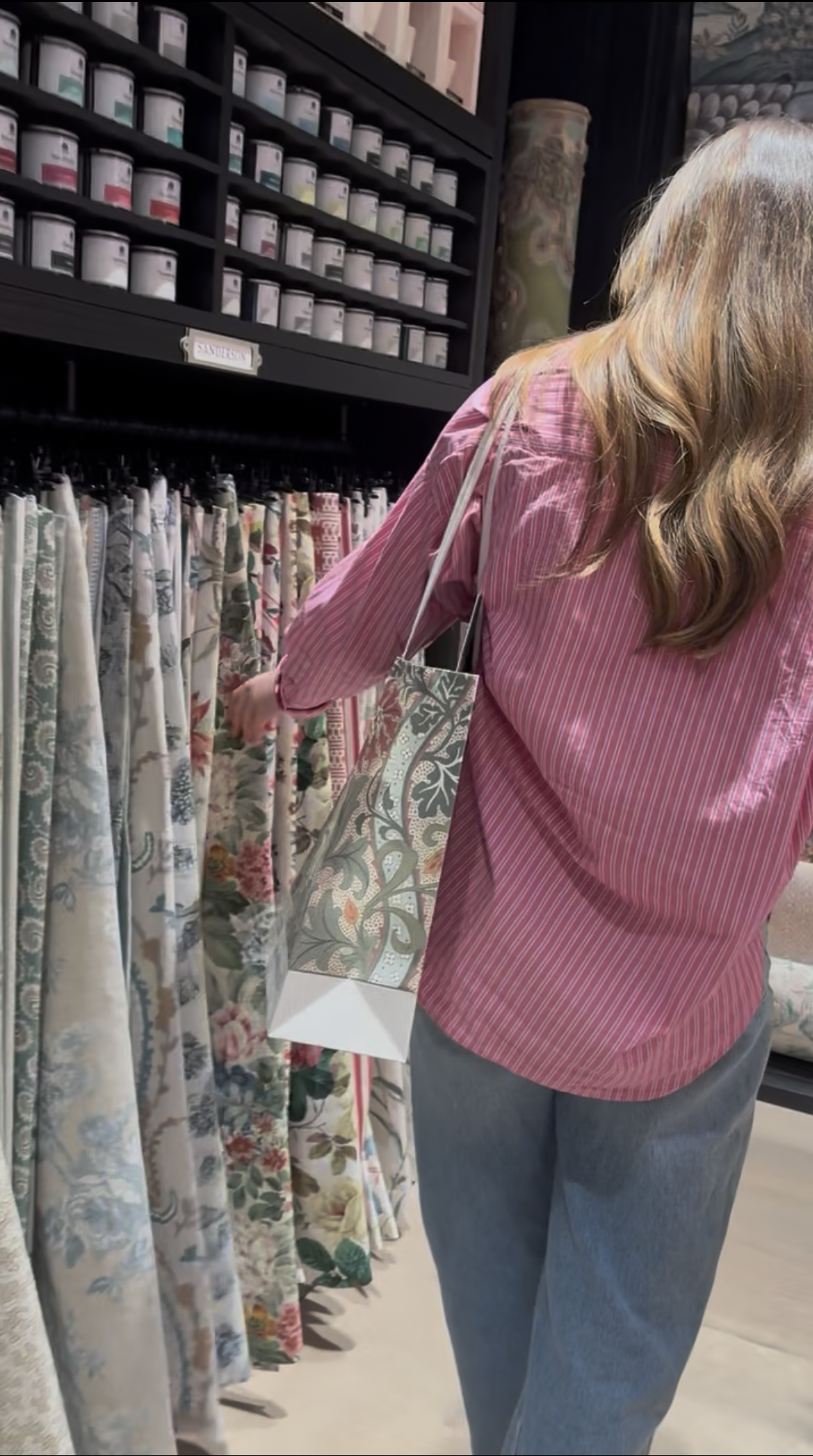
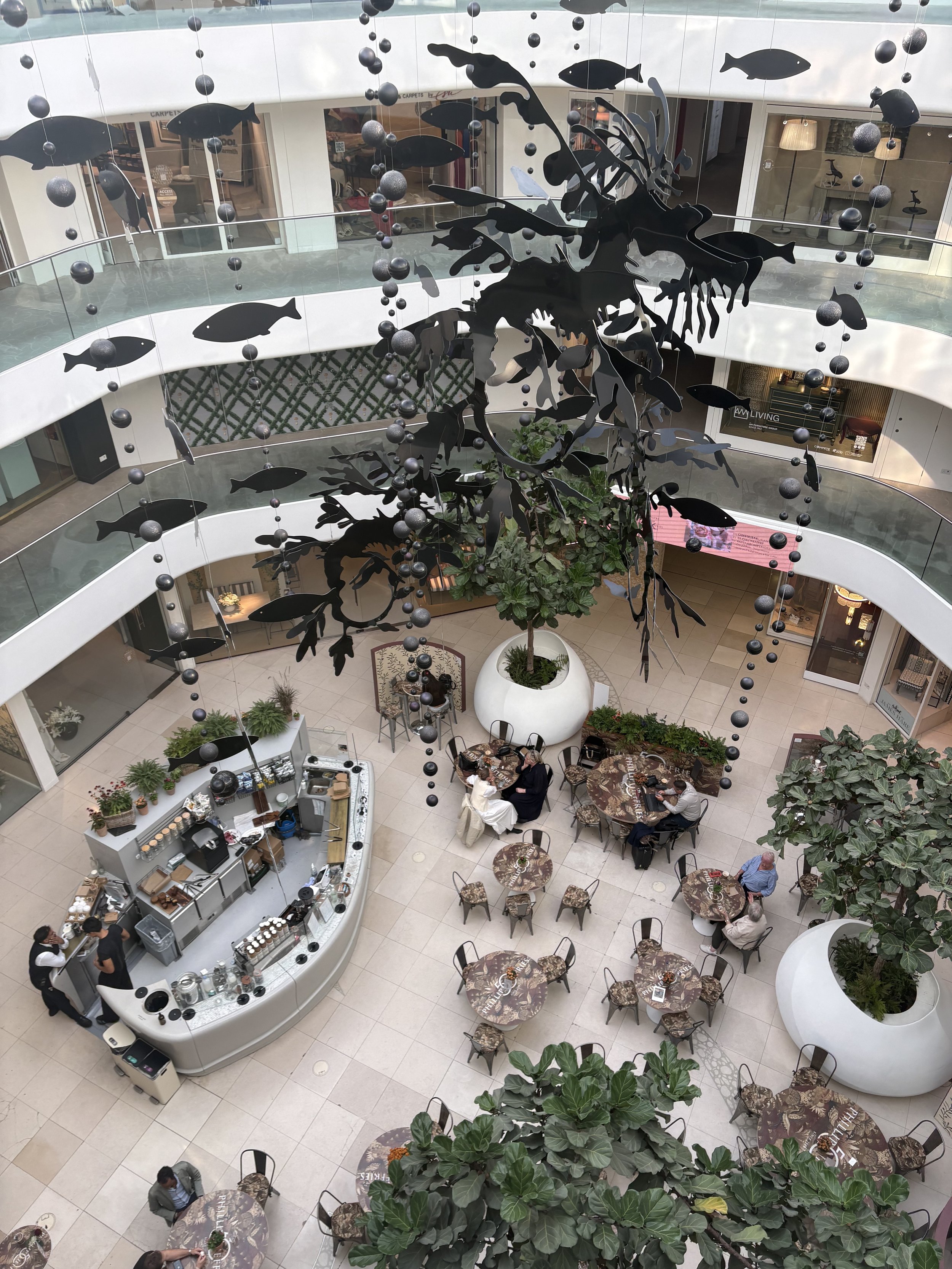
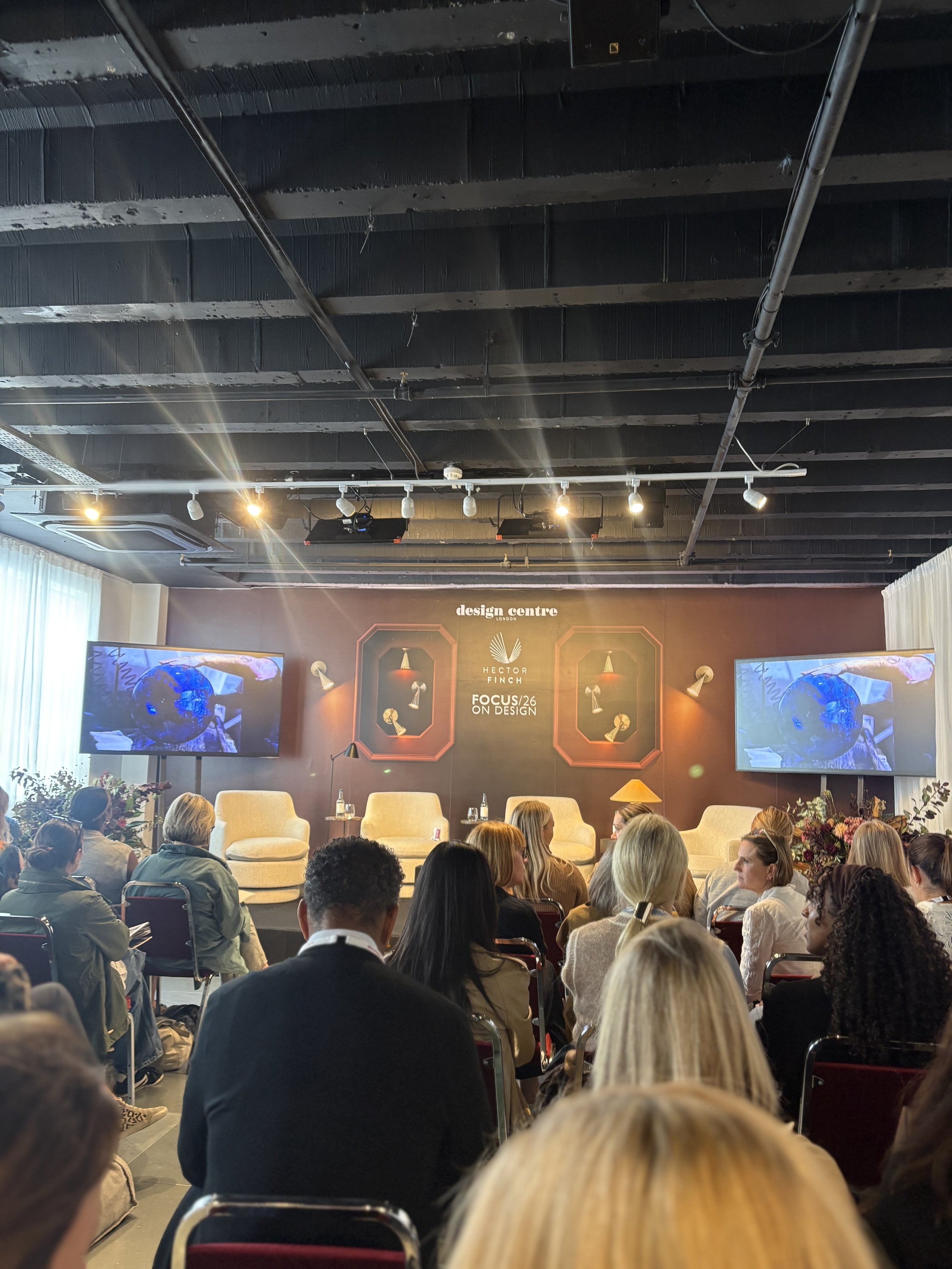
I had a brilliant time visiting Focus/26 on Design at Chelsea Harbour Design Centre in September, and I can’t believe it’s taken me two months to talk about it. It doesn’t really matter though, as I truly believe that everything I heard and have remarked on in this article, are not themes and insights that will be going away any time soon! I visited a number of talks across the week and it was great to see a few common threads running throughout that were also very aligned to my own approach to interior design.
Home from Home
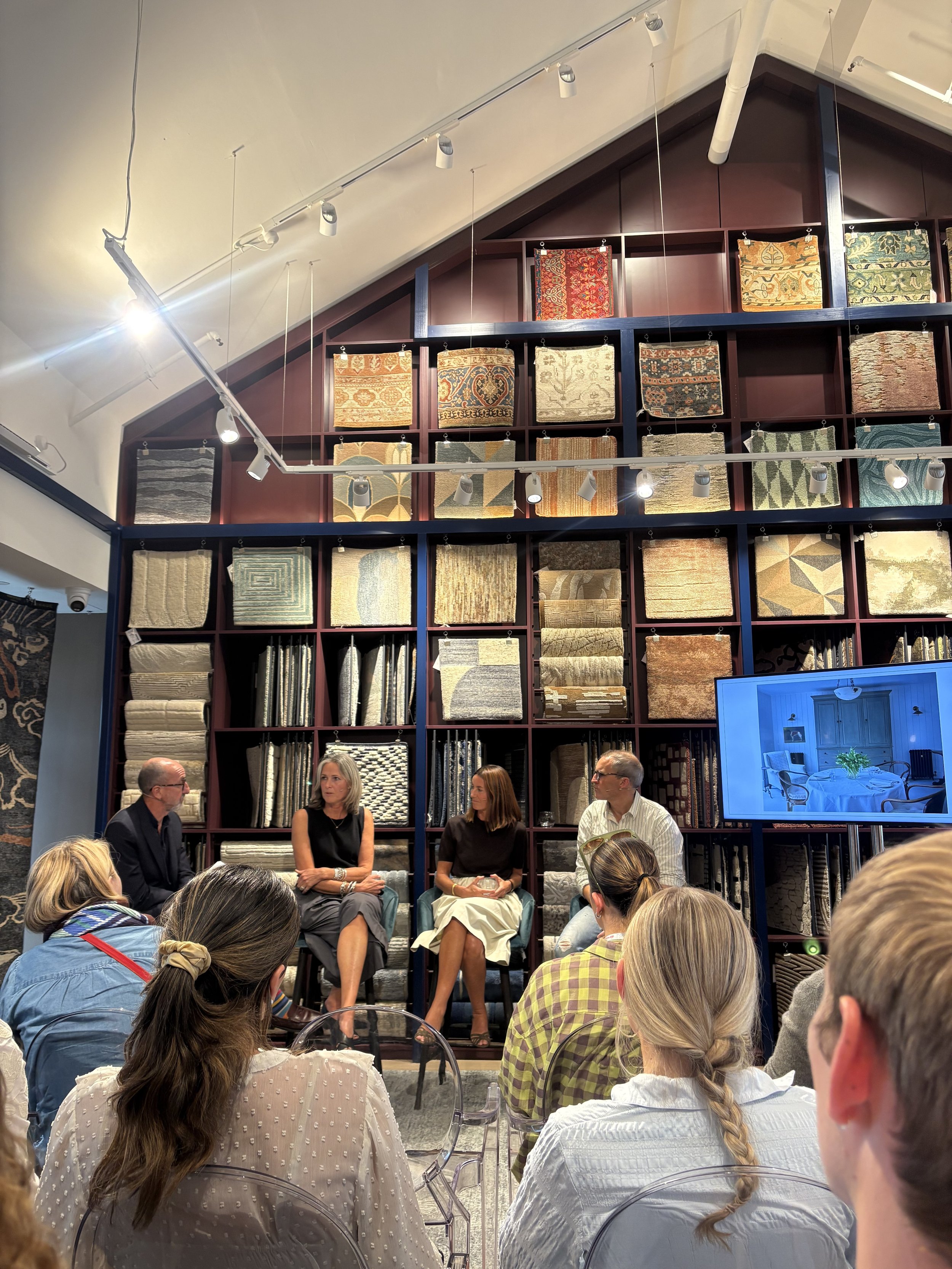
I got to listen in to the ‘Home from Home’ conversation, hosted by Editor at Hotel Designs Magazine, Sophie Harper, with Kim Partridge from Kim Partridge Interiors, and Jane Maciver, London Design Director at MAWD (March & White Design). The panel discussed the evolution of hotel design, and how the lines have blurred between design for hospitality and residential design.
Nowadays, we’re seeing a transition towards designing a hotel that ‘feels like your own home’ or ‘home away from home’. There were common themes of familiarity, belonging, intangible experiences like wellness, and a strong connection with sensory experiences - e.g. the sound of nature, organic tactile fabrics, and considered scent often experienced in hospitality settings. With people spending more time at home in the last few years since COVID, guests are seeking out a deeper connection with hospitality.
And it’s entirely the same in their own home. People want to be at home and they want their space to feel uniquely theirs and tell a personal story, rather than just feeling like a blank canvas they reside/spend most of their time in but don’t connect with on a deeper level.
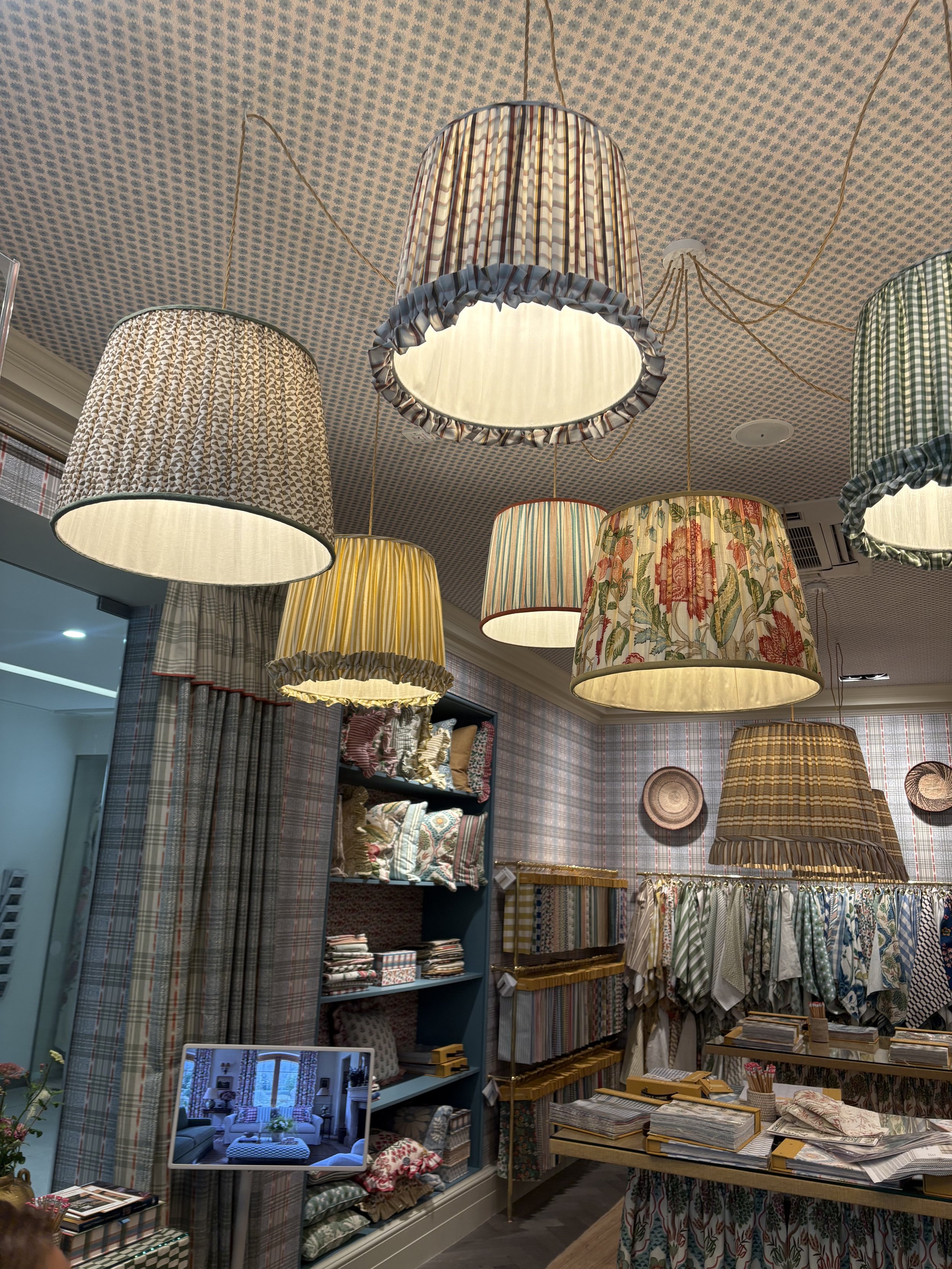
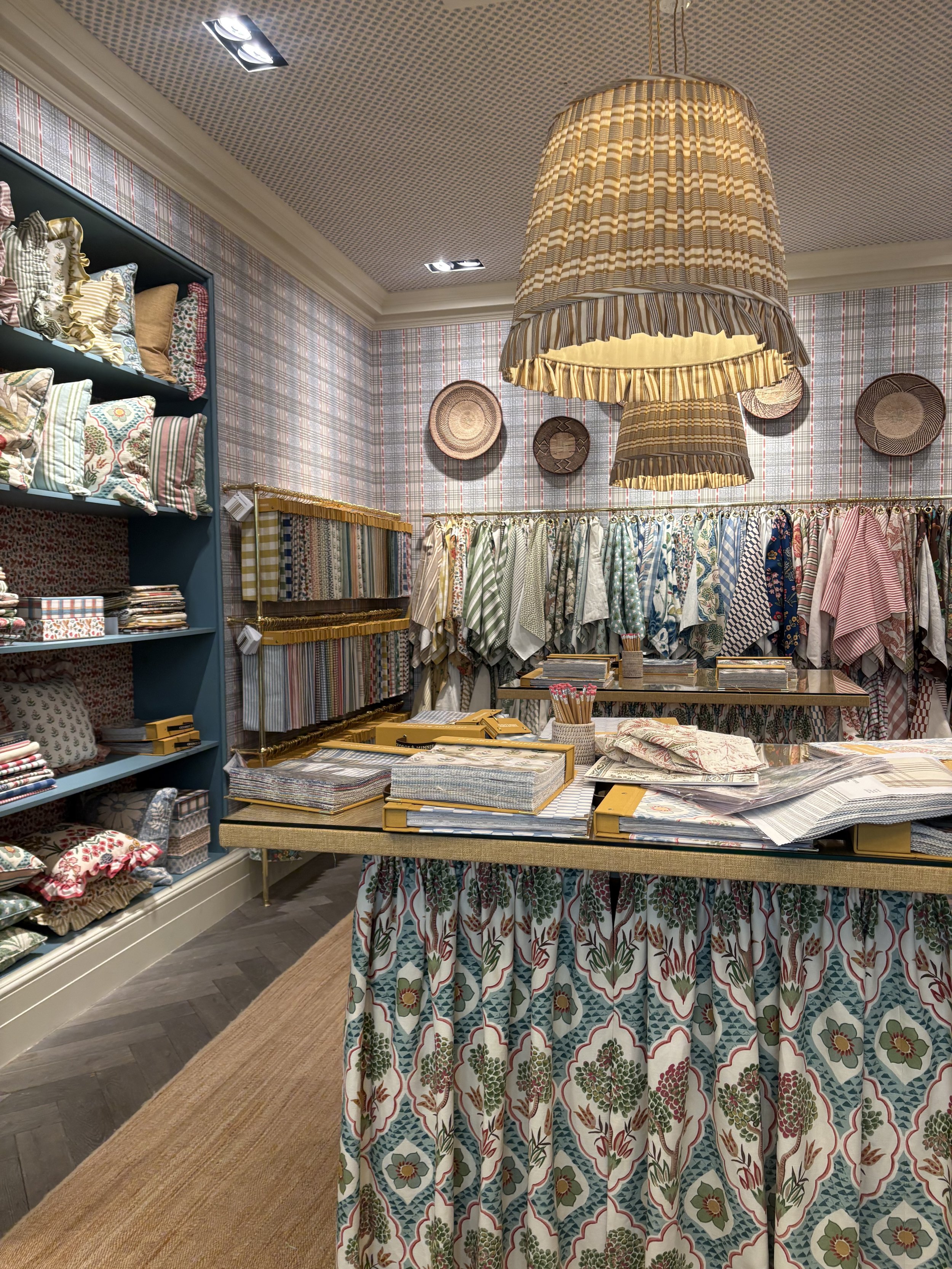
Layering has an important role to play in enabling a space to feel more considered and welcoming. Layering is about incorporating multiple levels of; textures, colour, pattern… Consumers’ desire for their environment to tell a deeper story, also brings the desire for more collectible pieces as well - personal items that have been collected over time in different locations and mean something to the person occupying the space. Less people just want more 'stuff’ these days.
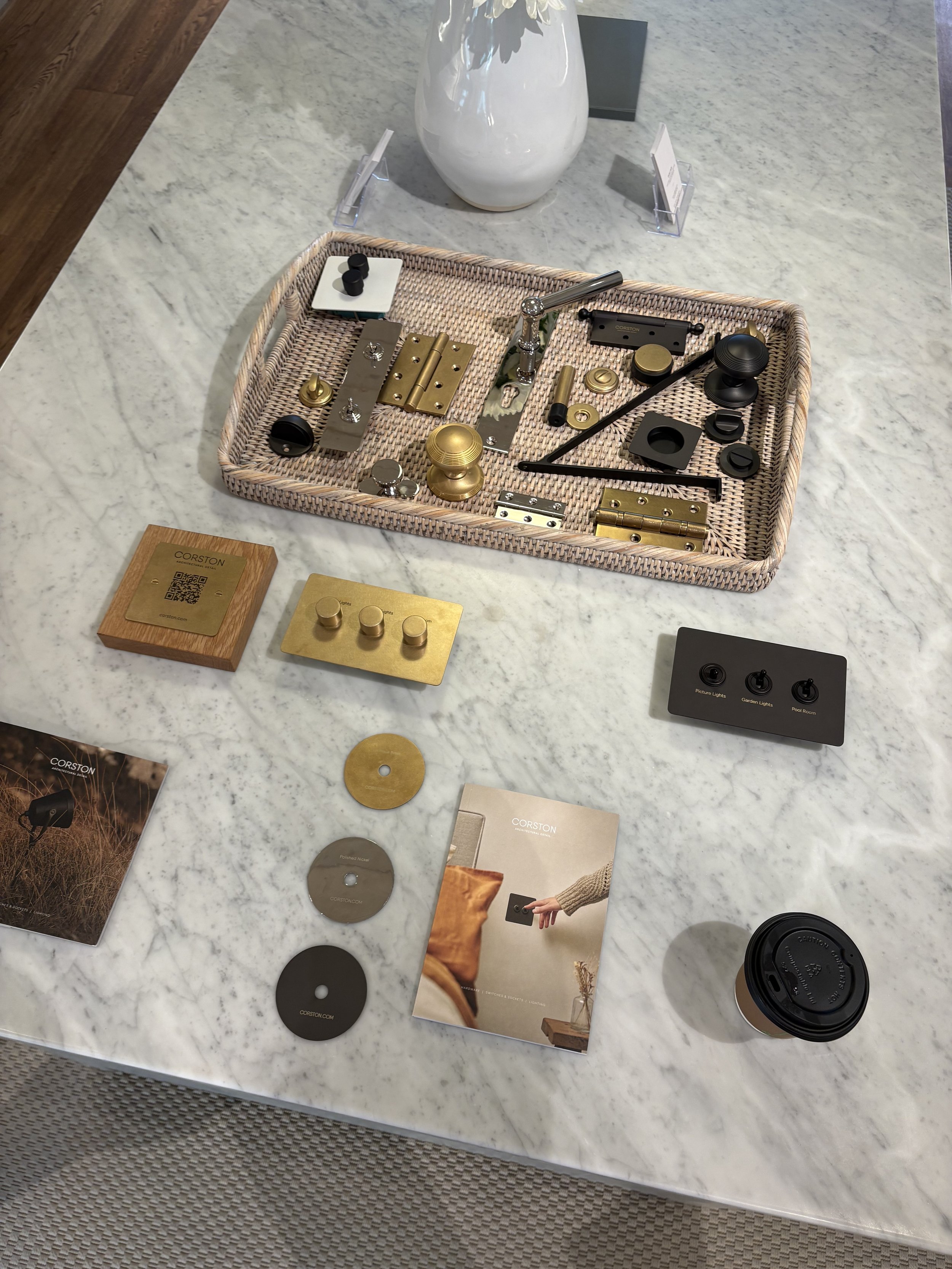
Particularly within hospitality, but increasingly in our own homes too, there is a growing desire for more intuitive, considered design – spaces that flow effortlessly and anticipate the needs of those using them. This extends beyond the overall layout to the finer details that make a space work seamlessly, such as having conveniently positioned electrical outlets that are always within reach, removing the need to think twice or move too far to access them. Ultimately, it’s about creating environments where functionality feels effortless.
Consumers now also look to hospitality for inspiration for the kinds of amenities they can have in their own home, with less people feeling the desire to go outside of their sacred space to seek retreat, unless it’s for really good reason. Home bars, wine fridges, coffee stations, rainfall showers and steam rooms are just some examples.
The New Luxury
Also at Focus/26, I had the pleasure of listening to ‘The New Luxury’ with Gianluca Longo, Joanna Plant, Tamsin Saunders and James Mackie. The panel defined what luxury design looks like now and in the future.
Whereas luxury was once more synonymous with overt displays of wealth, opulence and status, today it is far more nuanced and personal. There is a growing appreciation for the luxury of the everyday - from moments of calm and relaxation to improved wellbeing, individuality and thoughtful personalisation. It is less about what a space says about you to others, and more about how it makes you feel. Luxury these days has several touchpoints - it’s not about the cost of something or having lots of it, but about the thought behind the details. There is quiet luxury in taking the time to think things through before purchasing.
Luxury also feels less exclusive than it once did, with a wider range of options and opportunities for people to bring a sense of indulgence into their everyday lives, regardless of budget or lifestyle.
Equally, there is a certain luxury in making the very most of a space – considering how it flows, how best to take advantage of what it can offer, and what it needs to function at its very best. These are all forms of luxury, but in a much more subtle, non performative way.
Ultimately, I think this is where the idea of luxury is heading. It's in the details you might not immediately notice, the things that don't necessarily come with a prestigious label or eye-watering price tag, but that feel truly special because of the thought, craftsmanship and purpose behind them.
Doing the right thing by your home
Increasingly, I'm loving seeing a shift towards people embracing what their homes already have to offer, rather than feeling the need to start again or strip everything back. Whether it's the original architectural details, the quirks and imperfections that give a property its character, or the unique qualities of its location and surroundings, there's a growing appreciation for working with these elements rather than against them. Of course, that doesn't mean a home can't evolve or be made more personal; it's about thoughtfully introducing new ideas and pieces that complement what's already there, while still making the space feel distinctly yours. After all, a house is so much more than a collection of rooms. Your home should feel connected to you and whoever lives there, as well as the place it belongs to.
Ultimately, I believe the themes I've explored here go far beyond what we might traditionally consider ‘trends’. They reflect a much deeper shift in how we want our homes to look, feel and function, and what we value in life. While the way we interpret and bring these ideas to life will inevitably evolve, I think their underlying principles will remain just as important for years to come. I'm excited to see how they continue to shape the way we live.